Blog · Guide
Why learning Arabic in 2026 matters — and why the dialect, not MSA
Arabic is the world's fifth most spoken language — yet most textbooks teach a form almost nobody uses in real conversation. Here's why 2026 is a strong year to start, and why the dialect is the right choice.
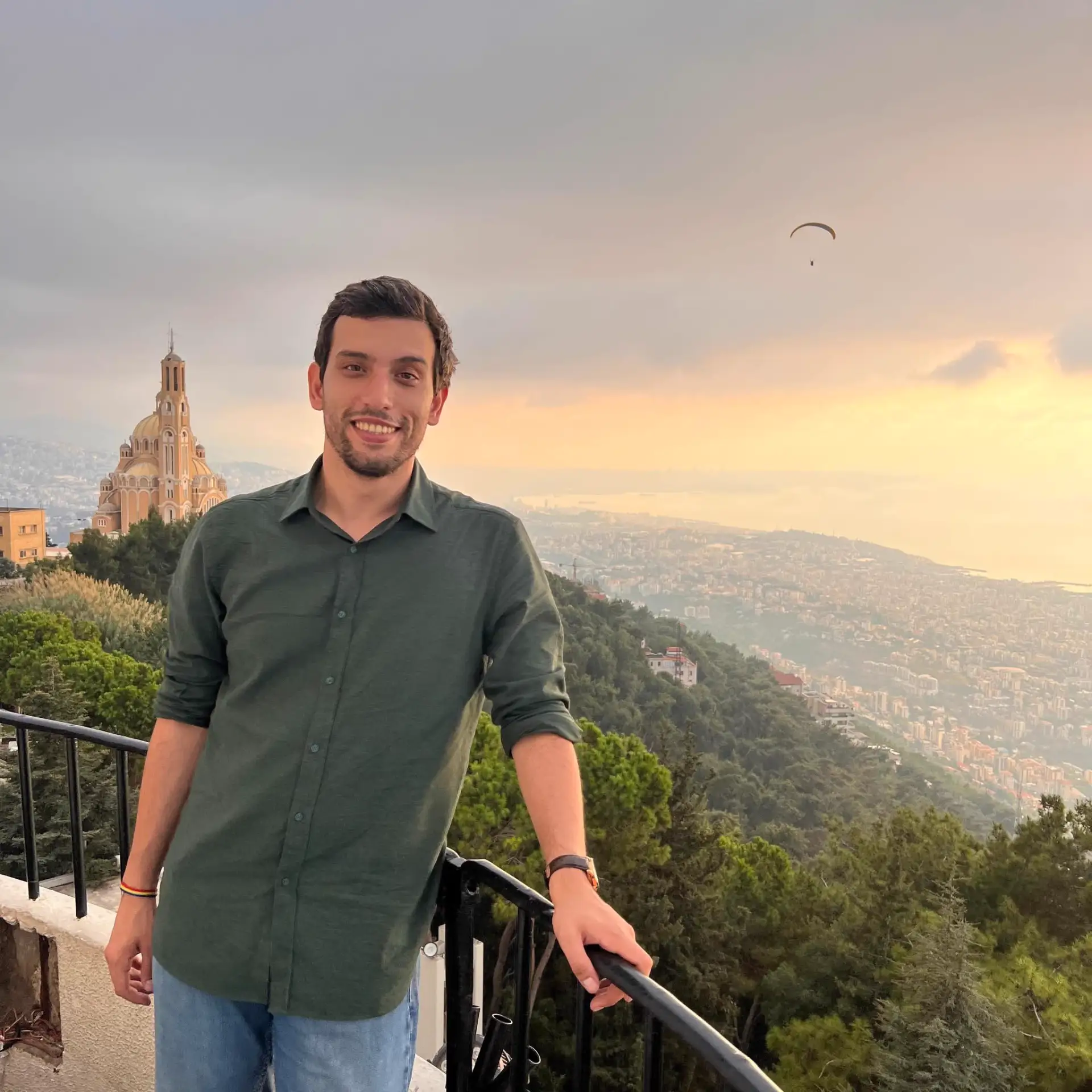 Ibra · Published on 24 July 2026 · About 6 min read

1. The numbers behind Arabic
- Over 400 million native speakers of all its varieties.
- Among the five most spoken languages in the world (Ethnologue places it fifth).
- Official language in 22 countries, plus a working language of the UN, African Union and Arab League.
- The Arab region's combined GDP was about $3.6 trillion in 2024.
2. Why learners pick the dialect
Learners increasingly want to speak with people, not read newspapers — and they've noticed that MSA doesn't get you there.
3. AI translation didn't kill demand — it clarified it
In 2026, ChatGPT and Google Translate handle text between English and Arabic decently. What they still can't do: real-time conversation with a Lebanese grandmother, catch the joke in a Fairuz song, or make a client in Dubai actually trust you. Speaking a dialect is a relationship skill, not a translation task — that's why demand for real teachers keeps growing.
4. Career and travel angle
- The Gulf hires foreigners with Arabic at a premium — legal, hospitality, media, aviation.
- Romania → Middle East business (Emirates flights, Dubai construction, Lebanese diaspora in Bucharest) makes even basic Arabic a differentiator.
- Travel: Lebanon, Jordan, Egypt, UAE, Oman — locals treat Arabic-speaking visitors very differently.
5. Why Lebanese specifically
Lebanese Arabic is the media prestige dialect of the Levant — the language of Fairuz, of Lebanese cinema, of the diaspora. It's mutually intelligible with Syrian and widely understood in Jordan and Palestine. See the full Lebanese argument for details.
Want to hear how it sounds?
30 minutes with a native teacher, free — online or in person in Bucharest.
Book the trial lesson6. Realistic timelines for 2026
- ~4 months of 2 lessons/week → A1 (everyday basics); ~11 months → A2 (basic daily conversation).
- ~20 months → B1 (comfortable travel, opinions, past experiences).
- ~2.5–3 years → B2/C1 (understand movies, work in Arabic).
Related: Lebanese vs MSA · How long it takes · Course prices in 2026.
Frequently asked questions
Why learn a dialect rather than Modern Standard Arabic?
Because the dialect is what people speak. Modern Standard Arabic is the written language of the press, documents and speeches; nobody uses it at home. If the goal is conversation, the dialect is the short road.
Is Arabic professionally useful in Romania?
It depends on the field. Trade, construction, medical tourism and Middle East relations work constantly with Arabic speakers, and Bucharest has a sizeable Levantine community.
Is it too late to start as an adult?
No. Adults pick up new sounds more slowly but structures much faster, because they understand how a language works. The disadvantage is pronunciation, and that is exactly where a native speaker's correction compensates.
Read next
Ready to start speaking Lebanese Arabic?
A free trial lesson with a native teacher — online or in person in Bucharest.
Book a free trial lesson