Blog · Guide
Languages of Lebanon: complete guide (Lebanese Arabic, MSA, French, English)
Lebanon is one of the most multilingual countries in the world: almost every Lebanese person juggles Lebanese Arabic, French and English daily, while Modern Standard Arabic shows up in news and paperwork. Here's a clear map of Lebanon's languages — and why the Lebanese dialect stays the language of real connection.
 Ibra · Published on 24 July 2026 · About 7 min read
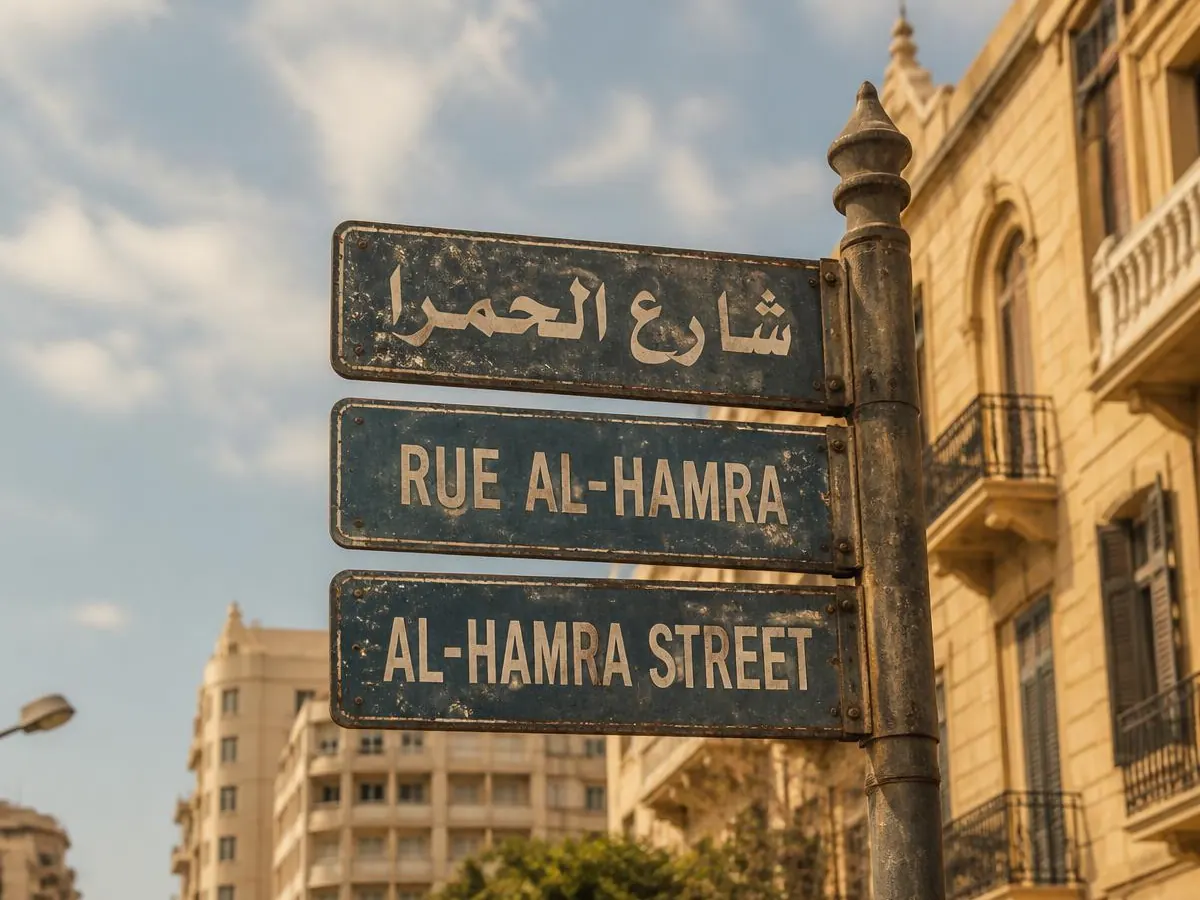
1. Lebanese Arabic — the everyday language
Lebanese Arabic (لهجة لبنانية, lahje libnēniyye) is the spoken dialect of Lebanon (about 5.8 million inhabitants) and of a diaspora whose size estimates range widely, from about 4 to over 14 million people of Lebanese origin. It's the language of the home, the street, WhatsApp voice notes, Fairuz songs, Lebanese cinema and TV. It belongs to the Levantine Arabic family and is mutually intelligible with Syrian, Palestinian and Jordanian.
See the Arabic dialects guide for how it fits in the wider region.
2. Modern Standard Arabic (MSA / Fusha)
MSA is the formal written and broadcast register of the Arab world — news bulletins, official speeches, textbooks, newspapers. Every Lebanese person learns it in school, but nobody speaks it at home or with friends. If you learn only MSA, locals will understand you, but you'll sound like a walking newspaper — and you won't understand what they say back.
3. French — the historical second language
Lebanon was under French mandate from 1920 to 1943, and French remains embedded in schooling, law, banking and elite life. Around 40% of Lebanese speak French, and it's often mixed casually into Lebanese sentences ('Bonjour, kifak, ça va?' is a real greeting). Many private schools still teach mostly in French.
4. English — the rising third language
Since the 1990s, English has overtaken French among younger generations, especially in business, tech and universities like AUB and LAU. Estimates put English speakers at around 30–40% of Lebanese. Bilingual (English/Arabic) or trilingual (English/French/Arabic) schooling is now the norm in major cities.
5. Armenian, Kurdish and other communities
Lebanon hosts long-established Armenian (estimated at around 3% of the population, mostly in Bourj Hammoud) and Kurdish communities, plus Assyrian/Syriac and Circassian minorities. Their languages are used at home and in community institutions alongside Lebanese Arabic.
Decided which one to learn?
We teach the Lebanese dialect — the language spoken daily. Groups A1–C2 and 1-on-1 lessons.
See the courses6. So which one should you learn?
- Want to talk to Lebanese people, family, friends, clients — learn Lebanese Arabic (the dialect).
- Want to read Arabic news or classical texts — add MSA later, after A2 dialect.
- Doing business with Lebanon — English or French will get you through meetings, but Lebanese Arabic is what earns trust.
If the answer is Lebanese Arabic, that is the only thing we teach — groups and private lessons, all with a native teacher.
Related: Lebanese vs MSA · Lebanese culture · Why learn Arabic in 2026.
Frequently asked questions
What language is actually spoken in Lebanon?
Lebanese Arabic, in everyday life. Modern Standard Arabic is the written and official language, while French and English appear in schools, business and conversation — often in the same sentence.
Why do Lebanese people mix three languages in one sentence?
It is the result of history and schooling: many secondary schools teach in French or English, and switching between languages has become an ordinary habit rather than a sign of hesitation.
Can I get by in Lebanon with English?
In Beirut and tourist areas, largely yes. But family conversation, the market and real life happen in Lebanese — and that is where the way you are received changes.
Read next
Ready to start speaking Lebanese Arabic?
A free trial lesson with a native teacher — online or in person in Bucharest.
Book a free trial lesson