Saint Ephrem the Syrian and the Maronite Church
In the 4th century, a deacon from Nisibis wrote hymns in Syriac and gave them to choirs to sing. We still know them by his name: Saint Ephrem the Syrian, the "Harp of the Spirit". His tradition lives on in the Maronite Church and in Lebanon's Qadisha valley.
Published on 4 October 2026 · About 5 min read
1. Who Saint Ephrem was
Ephrem was born around 306 in Nisibis, today's Nusaybin in Turkey, and served there as a deacon and teacher. When the city passed to Persia in 363, he moved to Edessa, where he died in 373. He wrote in Syriac, the Aramaic of Edessa, and is remembered as its greatest poet. In 1920 Pope Benedict XV declared him a Doctor of the Church.
2. Theology you sing
Ephrem did not write treatises. He wrote madrāshē — teaching hymns set to known melodies — and, according to tradition, trained choirs, including choirs of women, to sing them. For him, poetry, music and faith were not separate things but one. That is why he is called the "Harp of the Spirit".
3. The Maronite Church
The Maronite Church takes its name from Saint Maron, a Syrian monk who died around 410. His followers settled in Mount Lebanon, and the church became one of the pillars of Lebanese history. It belongs to the Syriac tradition, is in communion with Rome, and its patriarch resides in Bkerke. Its liturgy uses Arabic and Syriac: many of the old prayers and hymns are still sung in the language Ephrem wrote in.
4. The Qadisha valley
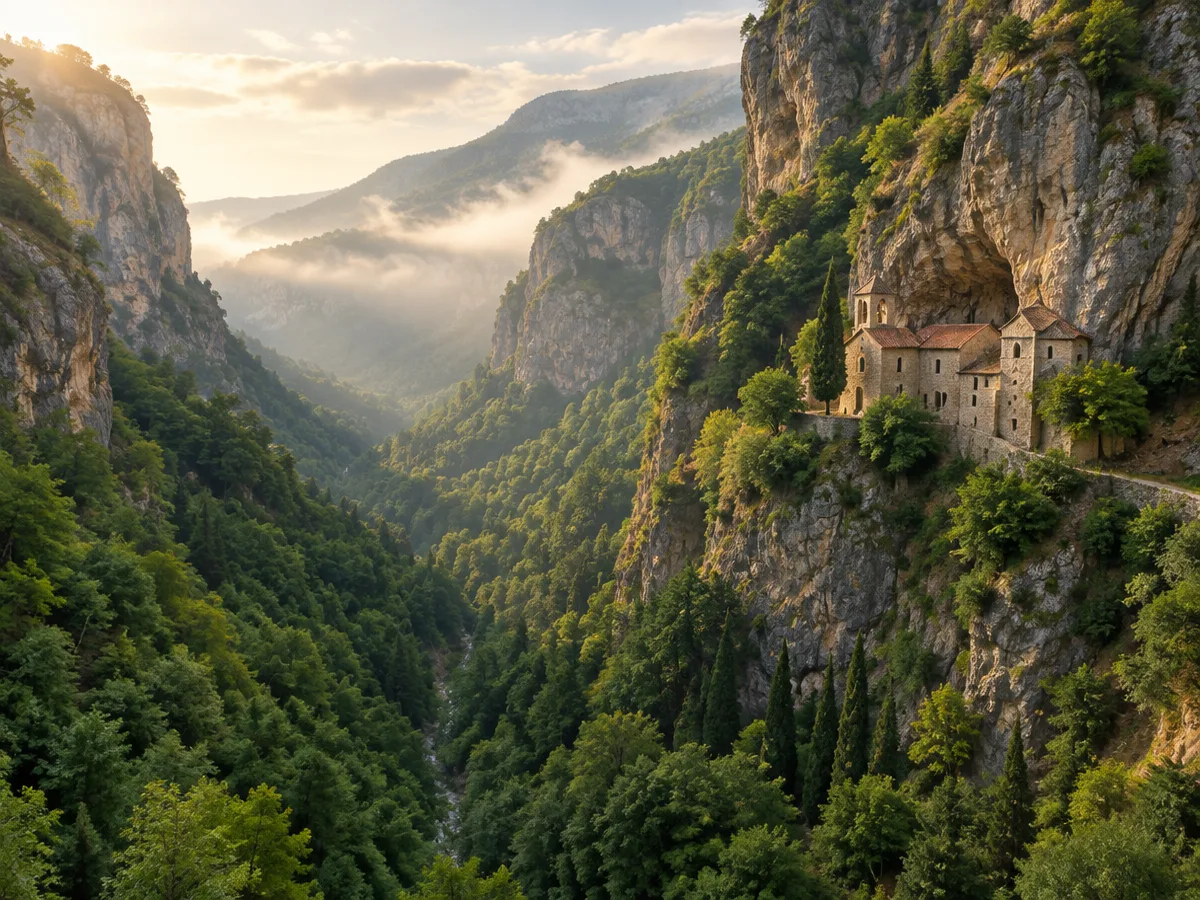
Qadisha means "holy" in Syriac. For centuries this deep valley in northern Lebanon sheltered hermits, monasteries and the Maronite patriarchs. Above it, near Bsharri, grows Arz er-Rab, the Forest of the Cedars of God. Together they have been a UNESCO World Heritage site since 1998.
5. An echo in Gibran
Kahlil Gibran was born in Bsharri in 1883, at the edge of this valley, and is buried there. Reading him, many Lebanese hear the same sensibility Ephrem left behind centuries earlier: art, music and the spiritual as one body, not three separate things.
Want to understand Lebanon from the inside?
We teach the Lebanese dialect with a native teacher. Groups A1–C2 and 1-on-1 lessons.
See the coursesRelated: Garshuni and the Qozhaya press · The Phoenicians and Lebanese identity · The Syriac inside Lebanese Arabic.
Frequently asked questions
Was Saint Ephrem Lebanese?
No. He was born in Nisibis (Nusaybin, in today's Turkey) and died in Edessa. But he wrote in Syriac, the language of the tradition the Maronite Church belongs to, which honours him to this day.
What language is used in the Maronite liturgy?
Arabic and Syriac. Many prayers and hymns, especially the old ones, are still said or sung in Syriac today.
Can you visit the Qadisha valley?
Yes. The valley and the Forest of the Cedars of God have been a UNESCO World Heritage site since 1998; you can visit monasteries, hermitages and the Gibran Museum in Bsharri.
Read next
Ready to start speaking Lebanese Arabic?
A free trial lesson with a native teacher — online or in person in Bucharest.
Book a free trial lesson